YUM REPOSITORY #LINUX


Yum Repository

Steps to create yum repository
Example: CentOS 7
1)      Log in as root or superuser ($ prompt = Normal user; # prompt = Super user)
2)      # df
(df= disk free or disk file system)
3)      # cd media path/Packages
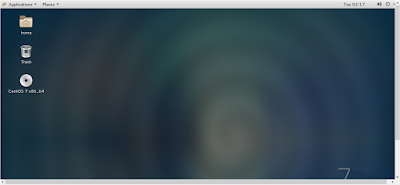
(cd=change directory; media path is the red box in the pic)


Note: Prefer to type the path while (cd) changing directory rather copy paste
4)      # rpm -ivh vsftpd*
(rpm=redhat package manager; vsftpd=very secure file transfer protocol daemon)
5)      # rpm -ivh delta*
6)      # rpm -ivh python-delta*
7)      # rpm -ivh createrepo*
(-ivh stands for install, verbose, hash; # man rpm (this gives you complete information about those options))
8)      # cd /
9)      # mkdir repo
(mkdir=make directory)
10)  # cp -rvf /media path/Packages /repo
(cp=copy; -rvf stands for recursive, verbose, force)


11)  # createrepo –database /repo/Packages

12)  # cp -rvf /media path/RPM-GPG-KEY-yourOS  /repo


13)  # vi /etc/yum.repos.d/basic.repo (vi=visual instrument- a text editor)

Press [i] to insert text

               [basic]
               name=my local repo
               enable=1
               baseurl=file:///repo/Packages
               gpgcheck=0
               gpgkey=file:///repo/ RPM-GPG-KEY-yourOS

               press [esc] then

               :wq (write&quit)


14)  # yum repolist
(Yum= yellowdog updater modifier)
15)  # cd /tmp
16)  # wget https://dl.fedoraproject.org/pub/epel/epel-release-latest-7.noarch.rpm
17)  # ls *.rpm
(ls=list)
18)  # yum install -y ‘above command output’
(-y stands for assume yes)
19)  #yum repolist

Pulling the tire off the dumper truck


Video was taken with Nokia Lumia 720 @SCCL (The Singareni Collieries Company Limited (A Government Company)), 
Godavarikhani, Telangana. 

Nokia Lumia 1020

Nokia Lumia 1020

Lumia 1020 (known as Lumia 909 during development) - A handy little DSLR camera phone with 41MP .

Unique features:
Image courtesy: https://wheelsandchips.files.wordpress.com/2014/11/nokiafinal-3-1.jpg
  • Massive camera with 6 lenses
    Image courtesy: http://www.slashgear.com/nokia-lumia-1020-pureview-official-41mp-windows-phone-8-11290042/


    • Xenon flash
    Other features like it supports Wireless charging and an exclusive accessory "Camera Grip"

    For complete details checkout link below

    https://en.wikipedia.org/wiki/Nokia_Lumia_1020

    Creative angle of me #KesariBabu

    Grinning Face & Winking Face #Capsicum 

    Trueloves #Orange

    Darlings 

    Export of VM from one ESXi to another using OVF tool on Windows

    OVF tool
    (Open Virtualization Format)

    VMware OVF Tool is a command-line utility that allows you to import and export OVF packages to and from many VMware products.

    ESXi-1 (source)                           ESXi-2 (target)
    PC

    Download OVF Tool using below link based on your requirement. That is OS on which your PC running Windows or Linux


    After Installation go to source ESXi server then turn off VM which we are exporting and remove CD/DVD drive and any USB

    (ESXi server--->VM--->edit settings--->remove)

    Then return to PC

    Here I take PC with windows OS
    Open command prompt and navigate to its absolute path

    (C:\Program Files\VMware\VMware OVF Tool)

    Then run the below command

    ovftool  -ds=datastore1  vi://root@192.168.0.14/RIMWIN12T01  vi://root@192.168.0.88

    The entire transfer process is carried out on PC with this single command
    (Feel free to replace “datastore1, 192.168.0.14/RIMWIN12T01, 192.168.0.88” with your values)
    Here
     “datastore1” is destination storage name
    “192.168.0.14” Source ESXi IP & 
    “RIMWIN12T01” VM (Virtual Machine) which we are transferring
    “192.168.0.88” target ESXi IP
    Here is the sample output where transfer completed with errors and completed successfully
    (Error because I dint remove CD/DVD drive)

    Have patience cause it’s a slow process

    Go to destination ESXi server and add required drives and Power on the Virtual Machine

    Note: check the names (like datastore, VM and IP addresses) twice before running command.


    *VM=Virtual Machine; IP=Internet Protocol; ESXi=Elastic Sky X

    Featured post

    AHIMIHA